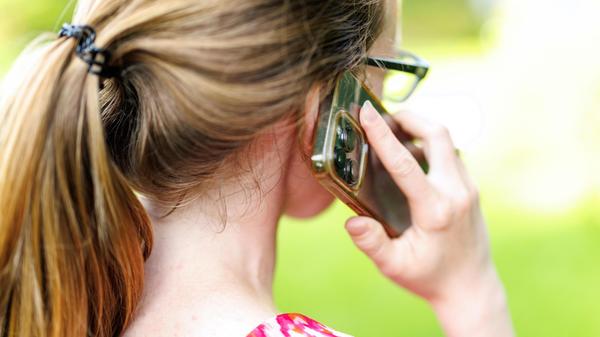
There is one word you should absolutely avoid saying during a phone call from an unknown or withheld number. It’s short but can quickly lead to trouble. The word in question is simply “yes.”
Time and again, reports emerge of scammers pressuring people on the phone with questions like “Can you hear me?” in order to elicit a “yes” response. This brief affirmation can then be misused to fake consent to contracts. Shortly afterward, a letter arrives in the mailbox claiming a contract has been signed, along with an invoice. The senders then insist that the recipients gave their approval over the phone.
The Verbraucherzentrale advises that affected individuals do not have to pay such invoices but should take immediate action against the fraud attempt. To assist, the Verbraucherzentrale provides template letters. Many contracts require written consent to be valid.
Consumer protection experts recommend responding to suspicious calls with full sentences, such as saying "I’m listening," to avoid uttering a simple "yes". When in doubt, it is best to end the call. Even the initial greeting on the phone should ideally begin with a "Hello" or another formal salutation.
In general, it can be risky to engage with unknown callers or calls from withheld numbers. Recently, so-called "silent calls" have become common. The phone rings, you answer, but the other end remains silent. If you respond to the silence with phrases like "Who is this?" or "I can’t hear you," you could be making a mistake. Scammers may record these fragments and use AI to create an exact replica of your voice.

This copy can then be used for scam calls targeting relatives or friends. To the recipients, it sounds as if a familiar person is calling, perhaps asking for money, while in reality, fraudsters are on the other end of the line. It can be helpful to agree on a code word with friends and family to signal a genuine emergency.
The police in Ravensburg are already investigating a suspected case in which an AI-cloned voice was reportedly used in an attempted scam. The Bundesnetzagentur expects an increase in such cases.