As the days grow shorter and autumn approaches in September, what changes does the new month bring for consumers? Along with device updates, new payment processes at the Oktoberfest, and the national warning day, consumers will also face a price increase at Spotify. Meanwhile, apprentices have reason to rejoice. Here’s an overview.
More Control Over Device Data
Users of connected devices such as smart TVs, robotic vacuums, refrigerators, as well as e-bikes, fitness trackers, or cars, are gaining more control over their data. Starting September 12, manufacturers will be required to disclose what information is collected and how it can be accessed. This is made possible by the so-called EU Data Act. The data protection law, which came into effect in early 2024, aims to make it easier for consumers to view their device data and share it with other services if needed. The hope is that customer service or repairs for certain devices could become more affordable.

Cashless Payments Also Increasing at Oktoberfest
A first tent at Oktoberfest (starting September 20) is putting an end to cash: The "Münchner Stubn" is switching completely and will no longer accept coins and banknotes as payment for beer and chicken. However, cash still remains the most common method of payment at the world's largest folk festival, as emphasized by the Munich Department of Economic Affairs.
Other news: On Saturdays, Sundays, and the public holiday, innkeepers may reserve an additional ten percent of seats for locals from 3:00 PM. And the beer at the Wiesn is getting more expensive again: the price for a liter will range from 14.50 to 15.80 euros.
Nationwide Warning Day
Sirens will blare across Germany on September 11. Every year, a test warning sounds at around 11:00 AM on Warning Day. This tests the warning systems throughout Germany in case of an emergency.
Spotify raises prices for existing customers
While new customers have reportedly been paying higher prices for Spotify's subscription models since mid-August, according to web.de, existing customers still have until September to decide whether to accept the new terms or not. However, those who do not agree by October 14th risk having their service terminated by the streaming company.
More money for apprentices
September means a new school year for students; for those whose last year ended, it's the beginning of a new phase in life. Many graduates start their vocational training in September. For dual training programs in companies bound by collective agreements starting this year, new minimum training wages apply:
1st year of training: 682 euros
2nd year of training: 805 euros
3rd year of training: 921 euros
4th year of training: 955 euros
If the training wage specified in the collective agreement is below the minimum training wage, companies can pay that amount. Non-tariff-bound companies must pay at least the minimum training wage and may only fall short of the usual tariff wage rates of their industry and region by a maximum of 20 percent.
German Parliament Reassembles
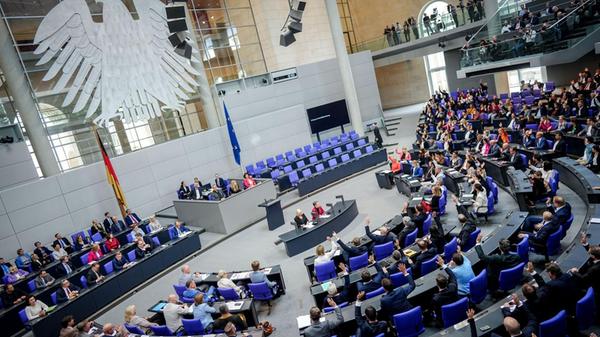
Following the summer recess, the Bundestag will reconvene on September 10. According to the agenda, Federal Minister of Defense Boris Pistorius (SPD) and Federal Minister of Health Nina Warken (CDU) will be subject to questioning by the members of parliament.