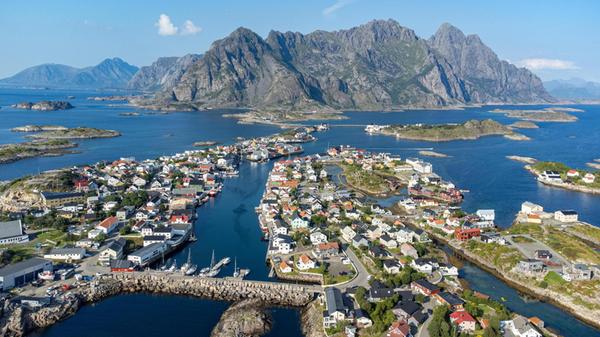
According to „Forbes“, Norway recorded a whopping 38 million overnight stays in 2024. A new record. The idyllic Viking land, with its fjords and mountains, is becoming increasingly popular among tourists. However, not everyone is pleased with this trend. Many communities have complained to authorities about the growing influx of visitors and the accompanying burdens.
As „T-Online“ reports, some residents have even complained that some tourists have started urinating in their gardens. In response to these cries for help, the Norwegian parliament has decided to take action. In areas with high visitor numbers, municipalities will be allowed to levy a three percent per night fee in the future. This affects both hotels and private accommodations. Cruise ship passengers will also be subject to the new regulation; they must pay the tax with no exceptions, according to „Nord24“. However, campsites and guest harbors, essentially docking spots for leisure boaters, are exempt.
However, not every Norwegian municipality can impose the new charge: First, they must apply and prove that they are genuinely overwhelmed by the influx of visitors, as Forbes continues. The special tax aims to support local infrastructure and ensure that the burdens of tourism do not rest solely on the affected areas. Therefore, the revenue generated from the charge may only be used to fund public facilities related to tourism, writes „T-online“.
"Major Victory" for Norwegian Mayor in the Lofoten Islands
In an interview with Norway's public broadcaster NRK, Vidar Thom Benjaminsen, the mayor of Vågan municipality in the Lofoten archipelago, stated: "This is a great victory!" He, along with five other mayors from particularly affected communities, had previously traveled to Oslo to advocate for the levy.
The new tax is set to take effect in the summer of 2026. The law is to be reviewed in three years at the latest, as reported by „Nord24“. This year, tourists will still have the opportunity to vacation in Norway without any additional fees. After that, it might become more expensive.